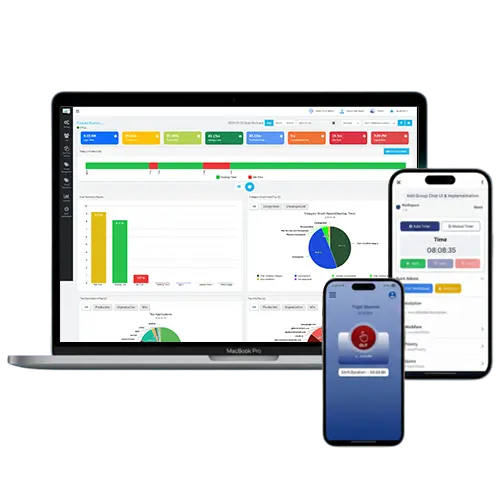
Employee Monitoring Software (EMS) is a digital tool that helps businesses track and analyze employee work activities during office hours. It provides insights into how time is spent, which tasks are being completed, and how productive a team really is.
Instead of relying on guesswork, managers can use this software to make data-driven decisions. It’s not about micromanagement—it’s about creating transparency and improving workflow efficiency.
Types of Employee Monitoring Software
There are different types of monitoring tools available, and each serves a specific purpose depending on the nature of your business.
1. Time Tracking Software
This is the most commonly used type of monitoring tool. It records the amount of time employees spend on tasks, projects, or applications.
It’s especially useful for:
Remote teams
Freelancers
Companies that bill clients hourly
Time tracking helps businesses understand where time is being used efficiently and where it’s being wasted.
2. Screenshot Monitoring
Screenshot monitoring tools capture employee screens at regular intervals. This gives managers a visual understanding of what employees are working on during office hours. While this may sound strict, it actually helps:
Maintain accountability
Prevent distractions
Ensure work-related activity
3. GPS Tracking
GPS tracking is mainly used for field employees such as sales teams, delivery staff, or on-site workers. It allows companies to track real-time location and movement.This is helpful for:
Route optimization
Attendance verification
Field productivity tracking
Benefits of Employee Monitoring Software
From small startups to large enterprises, businesses are increasingly adopting employee monitoring software because of the real value it provides.
Improved Productivity
By identifying time-wasting activities, companies can help employees stay focused and manage their time better.
Better Accountability
When work is tracked, employees naturally become more responsible for their tasks and deadlines.
Accurate Billing
For service-based businesses, time tracking ensures that clients are billed correctly based on actual work hours.
Performance Insights
Managers get access to detailed reports and analytics, making it easier to evaluate employee performance.
Enhanced Security
Monitoring tools can detect unusual activities, helping prevent data leaks or misuse of company resources.
Legal and Ethical Considerations
While employee monitoring software offers many benefits, it must be used responsibly. Here are a few important points to consider:
Transparency is key – Employees should be informed about what is being tracked and why
Respect privacy – Avoid monitoring outside working hours or accessing personal data
Follow local laws – Different countries have different data protection regulations
Create clear policies – A well-defined monitoring policy helps avoid misunderstandings
When employees understand that monitoring is being used to improve productivity—not invade privacy they are more likely to accept it positively.
Comments
Post a Comment